Renovation Contractor Secrets: How to Achieve a Stress-Free Remodeling Process
Steering through a home renovation can be demanding. Homeowners often face unexpected hurdles that can complicate the process. Selecting the right remodeling contractor is essential for avoiding common pitfalls. Transparent communication and open dialogue can make a significant difference. Yet, many miss important measures that can lead to frustration and delays. Recognizing these valuable tips can help smooth the path and secure a positive result. How can homeowners best prepare for these challenges?
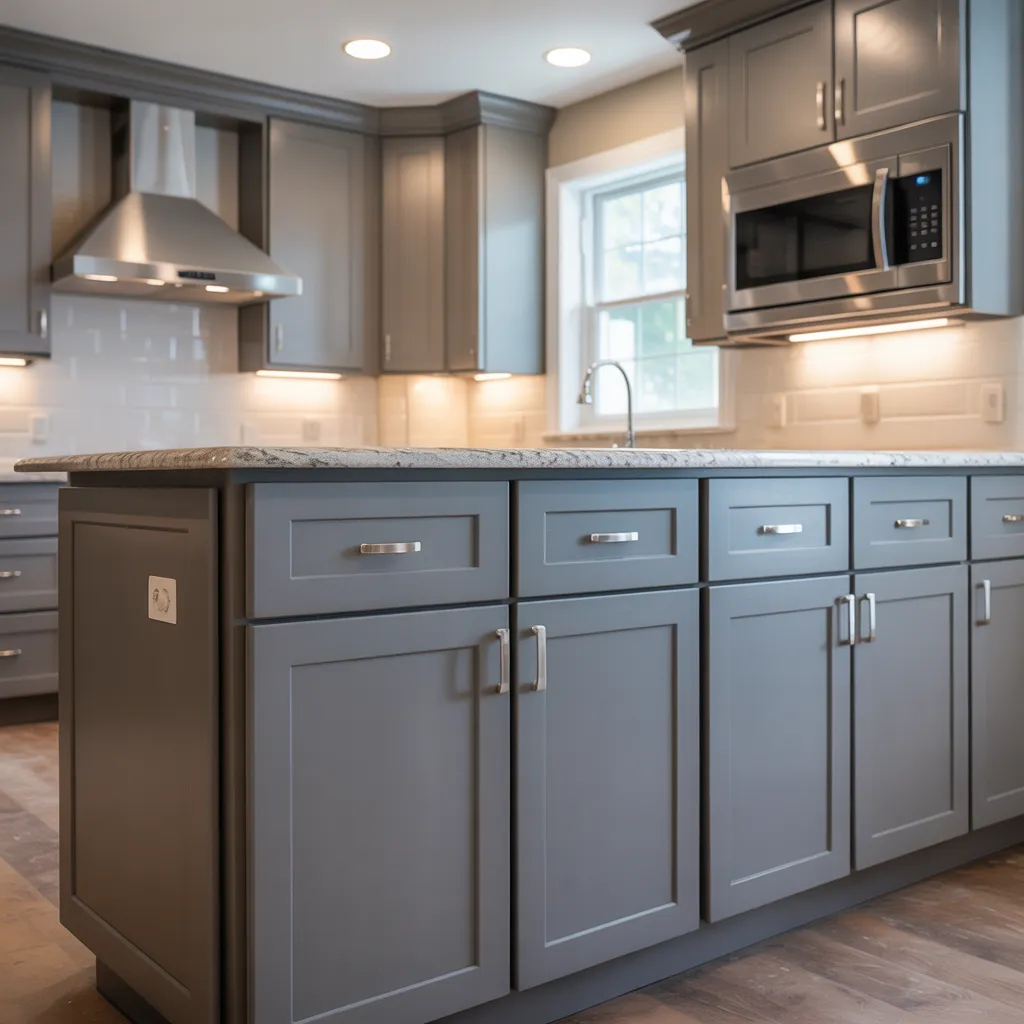
Understanding the Role of a Remodeling Contractor
A home improvement contractor orchestrates the multifaceted process of residential renovations, making sure projects progress efficiently from start to finish. This professional acts as the primary point of contact in managing various tasks, from early planning stages to the final touches. They have a thorough grasp of construction techniques, materials, and local building codes, which enables them to make well-reasoned judgments that impact project outcomes.
The contractor is responsible for supervising subcontractors, planning work timelines, and controlling the budget. They also act as a liaison between clients and tradespeople, handling concerns and sharing progress throughout the remodeling process. Clear communication is vital, since it allows the client's goals to be matched with real-world execution. By balancing timelines and quality, the remodeling contractor reduces interruptions and improves overall productivity. At the core, their knowledge and direction are key to turning a client's remodeling aspirations into tangible results while ensuring a commitment to safety and industry standards.
How to Establish Clear Expectations for Your Project
Defining clear expectations is vital for the achievement of any home improvement project. Homeowners ought to start by outlining their objectives and intended results, ensuring all parties understand the scope of work. Thorough project descriptions assist in avoiding confusion down the line. Creating a reasonable budget is also a key consideration; it ought to account for possible unexpected costs.
Homeowners need to convey their project timelines, such as start and finish dates, which assists in coordinating contractor availability. Discussing the types of materials to be used and their availability can provide greater clarity regarding the project's course. Frequent communication can aid in handling concerns as they arise, reinforcing a collaborative atmosphere.
Ultimately, documenting all agreements and decisions can provide a reference point throughout the project, reducing conflicts. By setting these clear expectations, property owners can foster a more organized and efficient renovation process, guaranteeing that the completed project reflects their goals.
The Impact of Effective Communication
Effective communication serves as a cornerstone for any successful remodeling project, ensuring that homeowners and contractors remain aligned throughout the process. This promotes transparency, enabling all parties to share their needs, ideas, and concerns without hesitation. When communication stays open and reliable, misunderstandings can be minimized, ultimately preventing expensive setbacks and revisions.
Contractors gain from frequent updates, helping them to adapt their timelines and resource allocation as necessary. Homeowners, in return, find comfort through frequent check-ins, remaining more engaged and up to date. Effective communication also cultivates trust, a critical component for a cooperative working relationship.
Utilizing multiple means of communication, including emails, phone calls, and in-person meetings, can accommodate varying preferences and make certain that essential information is delivered efficiently. Ultimately, focusing on effective communication not only enhances the remodeling experience but also contributes to attaining the desired results with efficiency and satisfaction.
Essential Questions for Choosing the Right Contractor?
How do homeowners go about finding and selecting a dependable remodeling contractor? To arrive at a well-considered decision, they should commence by raising important inquiries. Homeowners ought to ask about the contractor's background and specialized knowledge in particular renovation projects, confirming that the contractor possesses the necessary abilities for the task at hand. It is also essential to ask for references and examples of past work to gauge quality and reliability.
Homeowners need to verify the licensing and insurance details of the contractor, verifying their adherence to local rules and standards. Additionally, discussing the schedule and availability for the project assists in establishing reasonable expectations. Requesting information about subcontractors and their experience can also reveal the level of professionalism expected throughout the process.
Ultimately, homeowners should request a clear payment structure and inquire about warranties for both materials and workmanship. By asking these important questions, homeowners are better equipped to vet potential contractors and ultimately choose the right fit for their renovation project.
Evaluating Contractor Proposals
When evaluating contractor bids, it is crucial to compare pricing structures to ensure budgetary consistency. Furthermore, assessing project schedules helps in evaluating the viability of each contractor's approach. This structured method aids in making informed decisions that can greatly influence the remodeling endeavor.
Review Pricing Plans
Even though reviewing pricing structures can feel daunting, it is essential for homeowners to thoroughly review contractor proposals to ensure they get the greatest return on their investment. Different contractors may present varying pricing models, such as set pricing, hourly billing, or cost-plus agreements. Homeowners ought to evaluate not just the overall price but also the specifics of each proposal. For instance, some quotes may cover materials and labor in detail, while others might list them separately, leading to unexpected expenses later. Furthermore, reviewing payment timelines and conditions can uncover possible financial concerns. By recognizing these distinctions, homeowners can make educated decisions and identify important guide a contractor whose pricing approach matches their financial plan and project requirements.
Review Project Timelines
Reviewing project timelines is essential for homeowners looking for transparency in contractor proposals, as setbacks can heavily influence costs and anticipated outcomes. A detailed analysis of suggested schedules allows homeowners to identify likely obstacles and confirm that contractors follow achievable plans. Homeowners are encouraged to evaluate the estimated start and completion dates across several bids, taking note of the specific phases of the project. It is recommended to ask concerning the contractor's plan for addressing unanticipated interruptions, such as adverse weather or material shortages. Transparent dialogue about project benchmarks can promote responsibility and openness. By understanding the timeline, homeowners can more effectively manage their anticipations and get ready for any changes necessary throughout the improvement project, contributing to a more successful project overall.
How to Stay on Track With Your Renovation
Remaining on schedule during a renovation can greatly impact the overall success of the project. To sustain progress, clear communication between the homeowner and contractor is essential. Setting up a thorough timeline with defined checkpoints helps everyone remain responsible. Frequent updates can address any potential delays early on, ensuring that problems are handled quickly.
Additionally, anticipating unforeseen difficulties, such as supply chain disruptions or weather-related setbacks, enables a more adaptable schedule. It is also important for homeowners to ensure that selections involving design choices and materials are made in advance to prevent last-minute changes that might delay the overall progress.
Finally, working with a trustworthy contractor with a established reputation can greatly enhance the likelihood of meeting deadlines. A properly structured team, backed by the necessary tools and materials, will execute duties proficiently, limiting interruptions and maintaining project momentum. Effective planning and proactive management are essential elements in reaching a prompt project conclusion.
Frequent Remodeling Mistakes With Contractors
Successful remodeling projects necessitate not only effective scheduling but also an awareness of common challenges that can emerge when working with contractors. One prevalent problem is a lack of clear communication, which can lead to misunderstandings regarding project scope, timelines, and budgets. It is critical for homeowners to define clear goals and keep communication channels open throughout the home improvement process.
One other common error is underestimating costs. Homeowners frequently fail to consider supplementary expenditures such as materials, permits, or unexpected repairs, which can strain budgets. Furthermore, the selection of a contractor carries considerable weight; hiring unlicensed or inexperienced contractors can result in subpar work or legal complications.
In conclusion, ignoring references and feedback can lead to hiring unsuitable contractors. Homeowners should invest time in researching and vetting potential candidates to steer clear of setbacks and frustration. By recognizing these pitfalls, homeowners can preserve the integrity of their renovation projects and enjoy a more efficient experience.
Commonly Asked Questions
How Should I Handle It When My Contractor Misses a Deadline?
Should a contractor not meet an agreed-upon deadline, the homeowner ought to reach out directly, sharing their worries and asking for clarity. Document the conversation, check the agreement for specific terms, and think about establishing a revised schedule or looking into other solutions if needed.
How Should I Deal with Unforeseen Costs During the Renovation?
To address unanticipated charges during renovation, homeowners should carefully examine the contract, maintain open communication with the project contractor, explore alternative solutions, and keep a contingency fund. Such a forward-thinking strategy reduces stress levels and promotes a smoother renovation process.
Which Permits Are Required for My Remodeling Project?
To establish the needed approvals for a renovation project, you should review local building codes. Typically, approvals may consist of zoning, plumbing, electrical, or structural authorizations, based on the project's extent and regional building requirements.
Can I Continue Living in My Home While the Renovation Takes Place?
Yes, homeowners can often live in their homes during renovations, but the feasibility relies on the scope of the work being done. Noise, dust, and limited access might create challenges, so careful planning and communication with contractors are essential.
How Should I Deal With Disagreements With My Contractor?
To handle conflicts with a contractor, one should articulate concerns directly, consider their point of view, find common ground, document discussions, and, when needed, explore mediation options to achieve a favorable outcome for both parties.